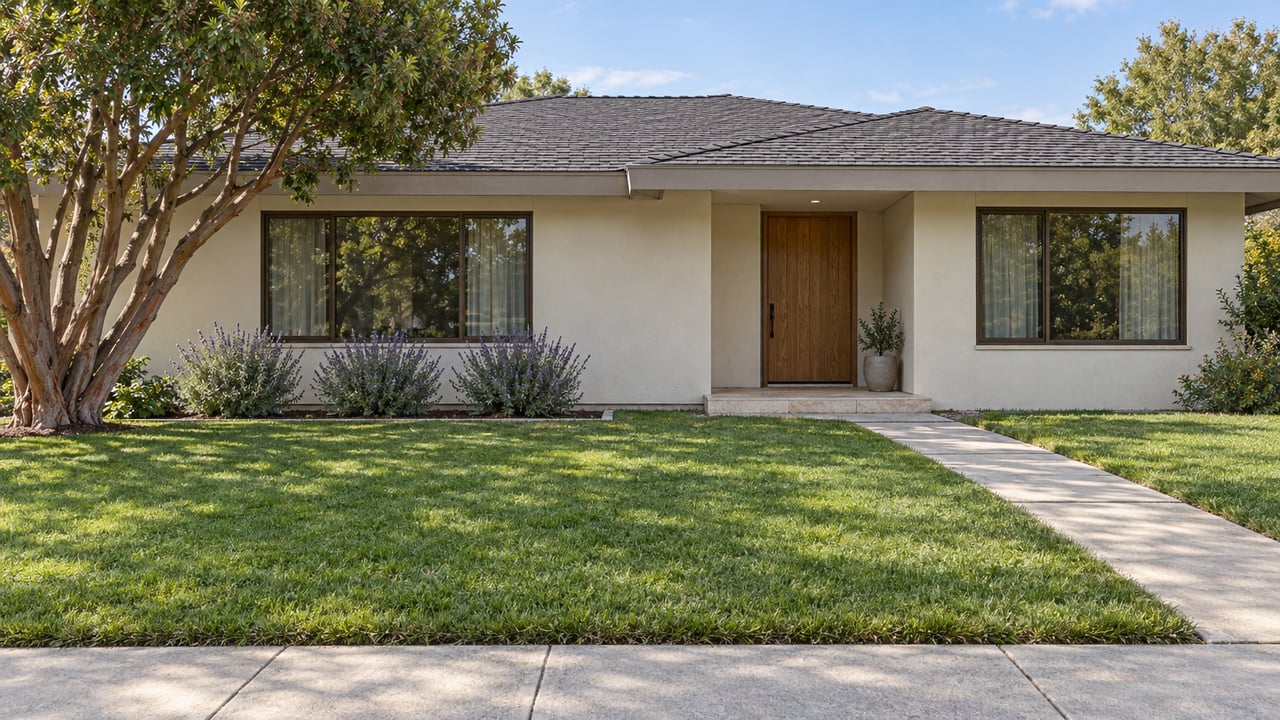
Picture this: You’ve been casually scrolling through listings in Manhattan Beach, dreaming about that perfect home three blocks from the sand. You finally find it! The one with the updated kitchen, the ocean views, and that incredible rooftop deck. Your heart races as you immediately call your agent to schedule a showing.
Then comes the question that stops you in your tracks: “Are you pre-approved?”
You pause. “Well… I think so? I talked to a lender last month. Does that count?”
This conversation happens more often than you might think, and in the competitive South Bay real estate market, the confusion between pre-qualification and pre-approval can mean the difference between getting your dream home and watching someone else move in.
Here’s the reality: In markets like Manhattan Beach, Hermosa Beach, Redondo Beach, and El Segundo, where inventory is tight and competition fierce, understanding the distinction between these two terms isn’t just helpful, it’s essential. The South Bay isn’t a place where you can casually browse homes and make offers on a whim. Sellers and their agents need to know you’re a serious, qualified buyer before they’ll even consider your offer.
Let’s break down everything you need to know about pre-qualification versus pre-approval, why it matters so much in the South Bay market, and how to position yourself as the strongest possible buyer.
The Fundamental Difference: Pre-Qualification vs. Pre-Approval
Let’s start with the basics. While these terms are often used interchangeably (even by some industry professionals who should know better), they represent two very different levels of financial vetting.
Pre-Qualification: The Casual Conversation
Think of pre-qualification as a first date with your lender. It’s an informal assessment based primarily on information you provide about your financial situation.
What Happens During Pre-Qualification:
-
You have a conversation with a lender (phone, online, or in-person).
-
You provide basic information about your income, assets, debts, and down payment.
-
The lender might do a “soft” credit check (which doesn’t affect your credit score).
-
You receive an estimate of how much you might be able to borrow.
-
The entire process typically takes minutes to hours.
-
Some lenders provide a pre-qualification letter.
What’s Not Happening:
-
The lender is NOT verifying the information you provide.
-
There’s NO review of actual financial documents.
-
There’s NO commitment from the lender to actually loan you money.
-
The estimate is just that…an estimate that could change dramatically.
The analogy: Pre-qualification is like telling someone you’re planning to run a marathon based on the fact that you jog occasionally. It’s aspirational and based on self-assessment, not proven capability.
Pre-Approval: The Real Deal
Pre-approval is marriage-level commitment compared to pre-qualification’s first date. It’s a thorough financial examination where the lender verifies everything about your financial situation.
What Happens During Pre-Approval:
-
You complete a full mortgage application.
-
You provide comprehensive financial documentation (more on this later).
-
The lender performs a hard credit check (shows up on your credit report).
-
A loan officer reviews and verifies all your information.
-
Your financial documents are scrutinized and validated.
-
You receive a pre-approval letter stating a specific loan amount.
-
The process typically takes 7-10 business days.
-
The approval is good for 60-90 days.
What is Happening:
-
The lender verifies your income through pay stubs, W-2s, tax returns.
-
Your assets are confirmed through bank and investment statements.
-
Your employment is verified (sometimes directly with your employer).
-
Your debts are identified through credit reports.
-
Your down payment source is verified.
-
The lender makes a conditional commitment to lend you money.
The analogy: Pre-approval is like having completed marathon training with a coach, logged all your runs, and received medical clearance. You’re proven race-ready.
Why This Distinction Matters So Much in the South Bay
You might be thinking, “Okay, I get the difference, but why does it matter so much here?”
The South Bay real estate market isn’t like buying a home in most of America. Here’s why pre-approval is practically non-negotiable:
Competition is Fierce
In desirable South Bay neighborhoods, well-priced homes typically receive multiple offers. I’ve seen properties in Manhattan Beach receive 10-15 offers in a single weekend. In El Segundo, 5-8 offers is common for turnkey properties.
The seller’s perspective: When a seller receives multiple offers, they’re looking for the path of least resistance to a closed transaction. A buyer with only pre-qualification represents uncertainty and risk. A pre-approved buyer signals serious intent and financial capability.
Real example: A seller in Hermosa Beach received two offers. One for $2.3M with pre-qualification, and one for $2.25M with pre-approval. They accepted the lower offer because the pre-approval dramatically reduced their transaction risk.
Price Points Require Serious Buyers
With median home prices in Manhattan Beach exceeding $2.5 million and even El Segundo averaging over $1.1 million, we’re talking about substantial financial transactions. Sellers at these price points expect, and deserve, to work with buyers who’ve done their homework.
Escrow Timelines are Compressed
The South Bay market moves fast. Standard escrow periods are 30 days or less, with some transactions closing in as little as 14 days. There’s no time for a buyer to discover financing issues midway through escrow.
Pre-approval prevents: The nightmare scenario where a buyer discovers two weeks into escrow that they actually can’t qualify for the loan amount they thought they could. This wastes everyone’s time and can cost the seller money if they’ve already removed their property from the market.
Sellers’ Agents are Sophisticated
Real estate agents working in the South Bay are experienced professionals who understand the difference between pre-qualification and pre-approval. They advise their seller clients accordingly.
What listing agents do: When reviewing offers, experienced listing agents will call the buyer’s lender to verify the strength of the pre-approval. They’re checking:
-
Is this a full pre-approval or just a pre-qualification?
-
How thoroughly were the buyer’s finances reviewed?
-
Are there any potential issues or red flags?
-
How confident is the lender in this buyer’s ability to close?
A pre-qualification letter won’t impress these professionals.
The Pre-Approval Process: Step by Step
Now that you understand why pre-approval matters, let’s walk through exactly how to get one.
Step 1: Choose Your Lender(s)
You’re not limited to one lender. In fact, shopping around is smart.
Options include:
-
National banks (Chase, Bank of America, Wells Fargo): Established names with resources but potentially less personalized service.
-
Local banks and credit unions (Union Bank, California Bank & Trust): Often more competitive rates and local market knowledge.
-
Mortgage brokers: Access to multiple lenders and loan products, can shop for best rates.
-
Direct lenders (Rocket Mortgage, Better.com): Streamlined online processes, often competitive rates.
South Bay tip: Many experienced South Bay agents recommend local mortgage brokers or loan officers who understand the unique dynamics of our market. They know how quickly you need to move and have relationships with listing agents in the area.
Step 2: Gather Your Documentation
Pre-approval requires extensive documentation. Start gathering these items before your first conversation with a lender:
Income Verification:
-
Last 2 years of W-2 forms.
-
Last 2 years of complete tax returns (all schedules).
-
Last 2 months of pay stubs.
-
If self-employed: 2 years of business tax returns and profit/loss statements.
-
If you have rental income: Lease agreements and tax documentation.
-
If you receive bonuses or commission: Documentation showing 2-year history.
Asset Verification:
-
Last 2-3 months of bank statements (all accounts).
-
Investment account statements (401k, IRA, brokerage accounts).
-
Documentation of any gift funds from family (requires specific gift letter).
-
Retirement account statements.
-
Documentation of any other assets.
Debt Documentation:
-
List of all current debts (credit cards, car loans, student loans).
-
Mortgage statements if you own other property.
-
Child support or alimony obligations (if applicable).
Employment Verification:
-
Recent pay stubs.
-
Employer contact information.
-
Authorization for lender to verify employment.
Additional Documents:
-
Government-issued ID (driver’s license, passport).
-
Social Security card.
-
Divorce decree (if applicable).
-
Bankruptcy discharge papers (if applicable).
Organization tip: Create a digital folder with all these documents scanned and organized. This makes the process much faster when your lender requests items.
Step 3: Complete the Mortgage Application
The mortgage application (Form 1003 or Uniform Residential Loan Application) is comprehensive. You’ll provide detailed information about:
-
Your employment history (past 2 years).
-
Your residence history (past 2 years).
-
Your income from all sources.
-
Your assets and their locations.
-
Your debts and monthly payments.
-
Your real estate holdings.
-
Demographics and declarations.
Important: Answer everything accurately and completely. Discrepancies between your application and your supporting documents can derail your approval or cause issues during underwriting.
Step 4: Credit Check and Review
The lender will pull your credit report from all three bureaus (Experian, Equifax, TransUnion). They’ll examine:
-
Your credit score (FICO scores are most common for mortgages).
-
Your payment history.
-
Your credit utilization.
-
Your debt-to-income ratio.
-
Any derogatory marks (late payments, collections, judgments).
-
Recent credit inquiries.
Credit score requirements vary by loan type:
-
Conventional loans: Typically 620 minimum, 740+ for best rates.
-
FHA loans: 580 minimum (some lenders require higher).
-
VA loans: No official minimum, but most lenders want 620+.
-
Jumbo loans (common in South Bay): 700+ typically required.
Step 5: Lender Review and Underwriting Preview
Here’s where pre-approval differs from pre-qualification most dramatically. The loan officer (and often an underwriter) will:
-
Verify your employment.
-
Confirm your assets exist and are accessible.
-
Calculate your debt-to-income ratio.
-
Check for red flags or issues.
-
Determine which loan programs you qualify for.
-
Calculate the maximum loan amount they’re willing to lend.
Common issues discovered during this phase:
-
Job changes or employment gaps.
-
Insufficient funds for down payment and closing costs.
-
Debt-to-income ratio too high.
-
Credit issues not disclosed on application.
-
Unexplained large deposits in bank accounts (potential gift funds that need documentation).
Step 6: Receive Your Pre-Approval Letter
If everything checks out, you’ll receive a pre-approval letter. This letter typically includes:
-
Your name as the borrower.
-
The maximum loan amount you’re approved for.
-
The loan type (conventional, FHA, VA, jumbo).
-
The estimated interest rate (subject to change).
-
Expiration date (usually 60-90 days).
-
Any conditions or requirements.
Important notes:
-
Some lenders can adjust the loan amount on the letter when you make an offer (so it matches your purchase price rather than showing your maximum).
-
The letter is addressed “To Whom It May Concern” so you can use it for multiple offers.
-
Your lender should be available to speak with listing agents about your pre-approval.
Timeline Expectations
Pre-qualification: Minutes to 1 day Pre-approval: 7-10 business days (can be faster in some cases).
South Bay urgent situations: If you find a home and need pre-approval quickly, many lenders can expedite the process to 3-5 days if you have all documentation ready and available.
Common Pre-Approval Pitfalls to Avoid
Even with pre-approval, buyers can make mistakes that jeopardize their financing. Here are the most common issues:
The “Shopping Spree” Mistake
The scenario: You get pre-approved and celebrate by buying new furniture, appliances, or a car for your future home.
The problem: Your lender will re-verify your credit and finances before closing. New debts change your debt-to-income ratio and could disqualify you from the loan.
The rule: From pre-approval through closing, don’t:
-
Make major purchases on credit.
-
Open new credit cards (even for store discounts).
-
Finance any vehicles.
-
Apply for any new loans.
-
Make large cash deposits without documentation.
The “Job Change” Issue
The scenario: You get a great job offer with better pay and accept it during your home search or escrow.
The problem: Lenders require employment stability. A job change, even to a better job, can require re-verification of employment and may delay or jeopardize your approval.
The rule: Avoid job changes from pre-approval through closing. If you must change jobs, inform your lender immediately. Same industry/role changes are typically okay; career changes may be problematic.
The “Gift Money Surprise”
The scenario: Your parents offer to help with your down payment, and you deposit a check two weeks before closing.
The problem: Lenders track all sources of funds. Unexplained large deposits trigger questions and require extensive documentation.
The rule: If you’ll receive gift funds, disclose this to your lender during pre-approval. They’ll provide you with the required gift letter format, and you’ll need to document the paper trail.
The “Maxed Out” Approach
The scenario: You get approved for the maximum amount and search for homes at that price.
The problem: Being approved for $2 million doesn’t mean you should buy a $2 million home. You might be “house poor” with no cushion for maintenance, repairs, or life changes.
The rule: Get pre-approved for your maximum, but search below that amount. A good guideline is searching at 85-90% of your approved amount.
The “Expired Approval”
The scenario: You got pre-approved four months ago and finally found a home. You submit your old pre-approval letter.
The problem: Pre-approvals expire after 60-90 days. Your letter is stale and listing agents know it.
The rule: If your pre-approval is approaching expiration and you haven’t found a home, contact your lender to update it. This typically requires fresh pay stubs and bank statements but is faster than starting over.
Special Considerations for South Bay Buyers
The South Bay market has unique characteristics that affect the pre-approval process:
Jumbo Loans are Common
Given South Bay price points, many buyers need jumbo loans (loans exceeding the conforming loan limit of $806,500 in 2025).
Jumbo loan requirements are stricter:
-
Higher credit scores required (typically 700+).
-
Larger down payments (often 20%+).
-
More reserves required (6+ months of payments).
-
More extensive documentation.
-
Stricter debt-to-income ratios.
South Bay tip: If you need a jumbo loan, work with a lender experienced in jumbo financing. Not all lenders offer competitive jumbo products.
Down Payments are Substantial
Even with 10-20% down payments, we’re talking about significant cash:
-
Manhattan Beach ($2.5M home): $250K-$500K.
-
Hermosa Beach ($2M home): $200K-$400K.
-
Redondo Beach ($1.4M home): $140K-$280K.
-
El Segundo ($1.1M home): $110K-$220K.
Lender concerns:
-
Source of funds must be documented.
-
Money must be “seasoned” (in your accounts for 2+ months).
-
Gift funds require specific documentation.
-
Selling another property requires documentation of that sale.
Investment and Second Homes
Many South Bay buyers are purchasing investment properties or second homes. The approval process differs:
Investment properties:
-
Larger down payments required (typically 25%+).
-
Expected rental income must be documented.
-
More reserves required.
-
Stricter qualification standards.
Second homes:
-
Must be at least 50 miles from primary residence.
-
Intended for personal use, not rental.
-
Typically require 10-20% down.
-
You must qualify with both mortgages (if you have an existing one).
Self-Employed and Commission-Based Buyers
The South Bay has many entrepreneurs, real estate agents, and commission-based professionals. These buyers face additional scrutiny:
Challenges:
-
Income is averaged over 2 years.
-
Business write-offs reduce qualified income.
-
Income must be consistent or growing.
-
More documentation required.
Strategies:
-
Work with lenders experienced with self-employed buyers.
-
Prepare extensive documentation.
-
Consider bank statement loans (alternative documentation).
-
Allow extra time for approval process.
Making Your Offer Stronger with Pre-Approval
Having a pre-approval is table stakes in the South Bay, but you can leverage it strategically:
Get Pre-Approved with Multiple Lenders
Having backup financing options shows sellers you’re serious and gives you negotiating power with your chosen lender.
Benefits:
-
Compare rates and terms.
-
Have a backup if issues arise with your primary lender.
-
Show sellers you have multiple financing options.
Process:
-
Apply for pre-approval with 2-3 lenders within a 14-day window.
-
Credit bureaus count multiple mortgage inquiries in a short period as one inquiry.
-
Choose your best option but keep others as backup.
Work with Reputable Local Lenders
Listing agents recognize names of reputable lenders and give those pre-approvals more weight.
Why local matters:
-
Local lenders understand South Bay price points and market.
-
Listing agents can call and verify pre-approval credibility.
-
Local lenders are accessible and responsive.
-
They can close quickly when needed.
Have Your Lender on Speed Dial
In competitive situations, having your lender available to speak with the listing agent immediately can differentiate your offer.
What to arrange:
-
Give your lender a heads-up when you’re making an offer.
-
Ensure they’re available by phone during offer review periods.
-
Have them prepared to discuss your financial strength.
-
Get permission to share their direct contact information.
Consider Pre-Underwriting
Some lenders offer pre-underwriting (also called “fully underwritten” approval), which is even stronger than standard pre-approval.
What happens:
-
Your file goes through complete underwriting before you find a home.
-
All documents are reviewed and approved.
-
Only the property appraisal is pending.
-
This is the strongest financing position possible.
Drawbacks:
-
Takes longer (2-3 weeks).
-
Costs money upfront.
-
Only worthwhile if you’re very serious about buying soon.
The Pre-Qualification Use Case: When It Makes Sense
Despite everything I’ve said about pre-approval being essential, pre-qualification does have its place in the home-buying journey.
When Pre-Qualification is Appropriate
Early exploration phase: If you’re 6-12 months away from buying and just want to understand your budget, pre-qualification is sufficient. It helps you:
-
Understand what you might afford.
-
Identify any major credit issues to address.
-
Set initial savings goals.
-
Determine if homeownership is realistic.
Credit repair timeline: If you know you have credit issues, pre-qualification can identify them without the hard credit pull of pre-approval. You can then:
-
Work on improving your credit.
-
Pay down debts.
-
Address collections or judgments.
-
Get pre-approved once your credit is improved.
Very early browsing: If you’re just daydreaming about the South Bay lifestyle and nowhere near ready to buy, pre-qualification can help you understand the financial parameters without committing to the full pre-approval process.
The Transition Point
When to shift from pre-qualification to pre-approval:
-
You’re 3-6 months from wanting to buy.
-
You’ve addressed any credit or financial issues identified.
-
You’re ready to seriously tour homes.
-
You have your down payment saved.
-
Your employment is stable.
In the South Bay, this transition should happen before you start touring homes. The market moves too fast to tour, fall in love, and then scramble for pre-approval.
The Timeline: When to Get Pre-Approved
Timing your pre-approval correctly balances being prepared without having it expire before you find a home.
The Ideal Timeline
3-6 months before house hunting:
-
Get pre-qualified to understand your budget.
-
Address any credit or financial issues identified.
-
Save additional down payment funds if needed.
-
Research neighborhoods and price ranges.
1-2 months before house hunting:
-
Get fully pre-approved.
-
Start attending open houses.
-
Connect with a real estate agent.
-
Familiarize yourself with available inventory.
During house hunting:
-
Keep your lender informed of your search.
-
Provide updates on market conditions.
-
Be ready to move quickly on the right property.
Approaching expiration (60-90 days):
-
If you haven’t found a home and your approval is expiring, update it.
-
Provide fresh pay stubs and bank statements.
-
Reconfirm your financial situation hasn’t changed.
If You Need to Act Quickly
Scenario: You weren’t planning to buy, but you found the perfect home.
Rapid pre-approval strategy:
-
Contact 2-3 lenders immediately explaining urgency.
-
Ask about expedited pre-approval (3-5 days possible).
-
Gather all documentation immediately.
-
Be available for quick responses to lender questions.
-
Consider paying for rush processing if offered.
South Bay reality: I’ve seen motivated buyers get pre-approved in 72 hours when they had all documents ready and responsive lenders. It’s possible, but stressful.
Red Flags Sellers and Agents Watch For
Understanding what raises concerns helps you avoid these issues:
Weak Pre-Approval Letters
Red flags include:
-
Generic language without specific loan amounts.
-
No named lender or loan officer contact info.
-
Unusually high loan amounts relative to obvious income.
-
Letters from unknown or online-only lenders with no track record.
-
No expiration date.
-
Excessive conditions or contingencies listed.
Buyer Financial Red Flags
What raises concerns:
-
Recent job changes.
-
Self-employment with declining income.
-
Recent large withdrawals or deposits.
-
High debt-to-income ratio.
-
Low credit scores.
-
Multiple inquiries on credit report.
-
Insufficient reserves for closing costs.
Lender Red Flags
Concerning lender behaviors:
-
Unwillingness to speak with listing agents.
-
Vague responses about buyer’s qualifications.
-
No specific loan officer assigned.
-
Unrealistic closing timelines promised.
-
Reluctance to provide detailed information.
Questions to Ask Your Lender
Being an informed borrower helps ensure a smooth process. Ask your lender these questions:
About Your Approval
-
“Is this a pre-qualification or pre-approval? What’s the difference in your process?”
-
“How thoroughly have you verified my information?”
-
“Are there any concerns or potential issues with my financing?”
-
“What could cause my approval to change or be revoked?”
-
“How long is this pre-approval valid?”
About Loan Terms
-
“What loan programs do I qualify for and why do you recommend this one?”
-
“What interest rate am I pre-approved for? Is this locked or estimated?”
-
“What are the total upfront costs (down payment, closing costs, reserves)?”
-
“What’s my monthly payment including principal, interest, taxes, and insurance?”
-
“Are there any prepayment penalties?”
About The Process
-
“What’s your typical timeline from offer acceptance to closing?”
-
“Can you close in 30 days or less if needed?”
-
“What documents will you need during escrow?”
-
“Who will I work with during the closing process?”
-
“What could delay or prevent closing?”
About Next Steps
-
“What should I avoid doing until we close?”
-
“How should I handle my letter when making offers?”
-
“Will you speak with listing agents about my pre-approval?”
-
“What happens if my approval expires before I find a home?”
Your Pre-Approval Checklist
Ready to get pre-approved? Use this checklist:
Financial Preparation
-
Check your credit report for errors.
-
Pay down credit card balances if high.
-
Avoid opening new credit accounts.
-
Document all income sources.
-
Verify sufficient funds for down payment and closing costs.
-
Ensure employment stability.
Document Gathering
-
Last 2 years W-2s and tax returns.
-
Last 2 months pay stubs.
-
Last 2-3 months bank statements (all accounts).
-
Investment and retirement account statements.
-
Documentation of other assets.
-
List of all debts and monthly payments.
-
Government-issued ID.
-
Additional documents for self-employed buyers.
Lender Selection
-
Research and contact 2-3 lenders.
-
Compare rates, terms, and fees.
-
Verify lender is experienced with South Bay market.
-
Confirm they can close in typical South Bay timelines.
-
Check reviews and references.
Application Process
-
Complete mortgage application accurately.
-
Submit all requested documents promptly.
-
Respond quickly to lender questions.
-
Authorize employment and credit verification.
-
Understand all terms and conditions.
Post-Approval
-
Receive and review pre-approval letter.
-
Save lender contact information.
-
Understand expiration date.
-
Share letter with your real estate agent.
-
Avoid financial changes.
The Bottom Line: Pre-Approval is Non-Negotiable in the South Bay
Here’s the simple truth: If you’re serious about buying a home in Manhattan Beach, Hermosa Beach, Redondo Beach, or El Segundo, you need a pre-approval, not a pre-qualification.
Pre-qualification tells sellers: “I think I might be able to buy your home, but I haven’t actually verified that.”
Pre-approval tells sellers: “I’ve been thoroughly vetted by a lender, and I’m ready to close this transaction.”
In a market where homes receive multiple offers and sell quickly, sellers have the luxury of choosing the strongest, most reliable buyers. A pre-qualification letter immediately puts you at a disadvantage compared to pre-approved buyers, and in many cases, it will disqualify you from consideration entirely.
The good news: Getting pre-approved isn’t as daunting as it might seem. Yes, it requires gathering documentation and spending time with a lender, but it’s a one-time process that positions you for success. Most buyers report that knowing exactly what they can afford and having their pre-approval in hand actually makes the house-hunting process less stressful, not more.
The investment is worth it: The few hours and effort required for pre-approval can save you weeks or months of disappointment from pursuing homes you can’t actually afford or losing out on properties because sellers won’t consider your offer seriously.
Ready to Get Pre-Approved?
If you’re ready to start your South Bay home search the right way, here are your next steps:
-
Gather your financial documents using the checklist above.
-
Contact 2-3 reputable lenders and compare their terms.
-
Complete the pre-approval process with your chosen lender.
-
Connect with an experienced South Bay real estate agent who can guide you through the market.
The South Bay real estate market rewards prepared, qualified buyers. By understanding the difference between pre-qualification and pre-approval, and taking the time to get properly pre-approved, you’re positioning yourself to compete effectively for the home you want.
Your dream South Bay home is out there. Make sure you’re ready to act when you find it.